Annotated Links for TPG 19: Listen, Look, and Read.
Artists utilizing sound, text, and storytelling
Annotated Links Audio/Visual blog TPG19
Joe’s Links:
LISTENING: Artists using Sound: Ubu Web: Ubu Web is an amazing reference for both recorded sound and film/video. Janet Cardiff and George Bures Miller use sound to make their work. One of my favorites was a project they did in Berlin Writers Reading their own work: T.S. Eliot reads the wasteland. John Giorno: I love the way Giorno uses his whole body when reciting his work. Audio Archives: Stanford University’s Archive of Recorded Sound has a very nice list of links to archives all around the internet – many of which allow streaming and/or downloads. I had fun going to Michigan State’s Vincent Voice Archive and searching by year. Don’t miss the Library of Congress’s audio site either. The Internet Archive’s Audio Archive: A plethora of stuff here too – check out their collection of 78 RPMs and Cylinder Recordings. Radio Diet: Most nights I fall asleep listening to Coast to Coast Radio: Find it on your am dial. Vinyl Lovers: Mississippi Records: These people love vinyl and release amazing records. I don’t know where they find some of this stuff, but I’m really glad they do. LOOKING: Russian Prison Tattoos: Lots of really difficult and disturbing images. Particularly fascinating to me are the translations of the texts that appear in the tattoos. Marcel Duchamp’s Boîte-en-valise: My original idea for TPG was a kind of audio riff on Duchamp’s Boîte-en-valise – revisiting early works to create something new. A Mornings Work: I was introduced to this book of medical images from 1843 – 1939 about fifteen years ago and it has continued to fascinate and haunt me ever since. Artists Using Text: So many great artists have used text in interesting and important ways. A few of my favorites are: On Kawara Yoko Ono’s Instruction Paintings: Ed Ruscha Kay Rosen Philip Lorca diCorcia: I saw a show of diCorcia’s work while I lived in Chicago. The mystery, tension, beauty, and narrative quality in these photographs have been an influence on the way I think about making images. Casper David Friedrich: The way I approach landscape in my text drawings has been shaped by Casper David Friedrich’s stubbornly romantic and utopian vision. READING: Independent People: Halldor Laxness I had already made more that one drawing with shepherds in it when I read Halldor Laxness’s Independent People – he creates visceral images that are both heartbreaking and mind blowing. Revenge of the Lawn by Richard Brautigan: I recently reread this and couldn’t help but feeling like it must have had an impact on the way I use text to create images. I wish I could do it half as good as Brautigan.
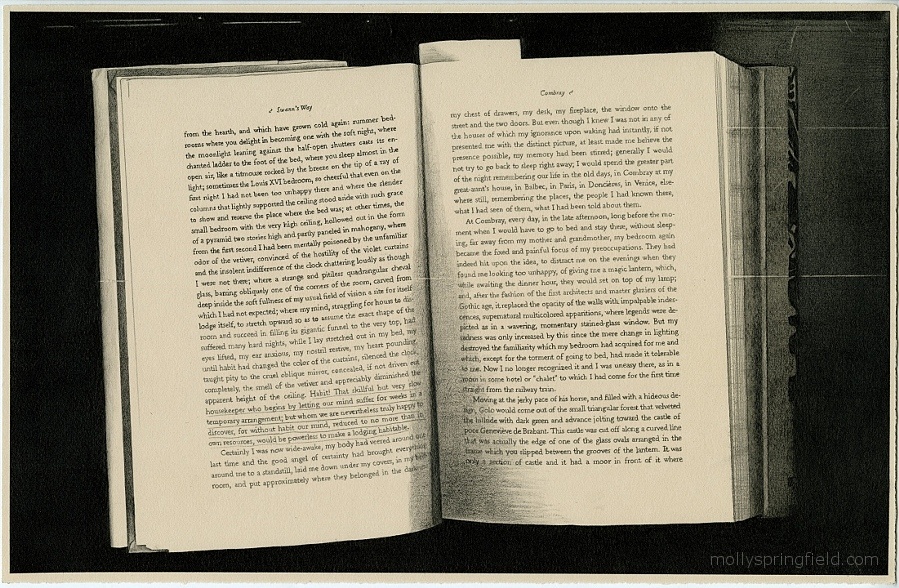
TPG’s Links: A brief history of Conceptual Art on Records: “Basically, any work in which the process of creation or the intention motivating the artist is obviously more important (to the artist and the listener) than the results it created belongs to conceptual art. One good example is DJ Christian Marclay’s Record Without Grooves (Ecart Editions, 1987), a virgin LP. The same artist also released Footsteps (Rec Rec, 1990), a one-sided LP of recorded footsteps.” The Sound of Art edited by Paddy Johnson from Art Fag City: The Sound of Art is a limited edition vinyl LP composed of sounds heard in New York galleries, museums, and project spaces over the last five years. Inspired by classic DJ battle records, it features forty tracks of diverse sounds culled from art video, performance footage, and kinetic sculptures. This is not an easy listening record. It’s an audio document and a tool to create new sounds and new work. The Thing Quarterly Issue 13 – Matthew Higgs & Martin Creed: Issue 13 is by visual artist, writer and curator Matthew Higgs and visual artist Martin Creed. The issue consists of a 12 inch vinyl 120 gram picture disk with Mathew Higgs on one side and Martin Creed on the other. The record contains one track by Martin Creed entitled ‘My Advice’ with words and music by Martin Creed. People don’t like to read art a show at Western Exhibitions in Chicago Il “The Storyteller” Curated by Claire Gilman, Margaret Sundell at ICI: “an exhibition that focuses on artists who use the story form in contemporary art as a means of comprehending and conveying political and social events. Significantly, unlike their postmodern predecessors, the artists in The Storyteller neither take the idea of documentary truth as an object of their critique nor do they abandon fact for fabulation. Rather, they enable individuals (whether themselves, their subjects or their audience) to construct the story of their unique participation in historical processes, thereby presenting these events in a new and unexpected light.” Bodies of Work by Seth S. Ellis: Ellis wrote a series of four fictional versions of the art he didn’t make in 2011. Each story was sold in the gallery as a chapbook, for a quarter apiece. Molly Springfield: “recent and ongoing projects explore the invention of calotype photography in the 1830’s, conceptual art of the 1960’s and ’70’s, the proto-history of the Internet, Google’s book-scanning patents, the history of how drawing is taught, and the ways that marginalia reveals relationships between readers and texts. All of these efforts explore, to varying degrees, reproduction versus originality, seeing versus reading, and technology versus labor.
LISTENING: Artists using Sound: Ubu Web: Ubu Web is an amazing reference for both recorded sound and film/video. Janet Cardiff and George Bures Miller use sound to make their work. One of my favorites was a project they did in Berlin Writers Reading their own work: T.S. Eliot reads the wasteland. John Giorno: I love the way Giorno uses his whole body when reciting his work. Audio Archives: Stanford University’s Archive of Recorded Sound has a very nice list of links to archives all around the internet – many of which allow streaming and/or downloads. I had fun going to Michigan State’s Vincent Voice Archive and searching by year. Don’t miss the Library of Congress’s audio site either. The Internet Archive’s Audio Archive: A plethora of stuff here too – check out their collection of 78 RPMs and Cylinder Recordings. Radio Diet: Most nights I fall asleep listening to Coast to Coast Radio: Find it on your am dial. Vinyl Lovers: Mississippi Records: These people love vinyl and release amazing records. I don’t know where they find some of this stuff, but I’m really glad they do. LOOKING: Russian Prison Tattoos: Lots of really difficult and disturbing images. Particularly fascinating to me are the translations of the texts that appear in the tattoos. Marcel Duchamp’s Boîte-en-valise: My original idea for TPG was a kind of audio riff on Duchamp’s Boîte-en-valise – revisiting early works to create something new. A Mornings Work: I was introduced to this book of medical images from 1843 – 1939 about fifteen years ago and it has continued to fascinate and haunt me ever since. Artists Using Text: So many great artists have used text in interesting and important ways. A few of my favorites are: On Kawara Yoko Ono’s Instruction Paintings: Ed Ruscha Kay Rosen Philip Lorca diCorcia: I saw a show of diCorcia’s work while I lived in Chicago. The mystery, tension, beauty, and narrative quality in these photographs have been an influence on the way I think about making images. Casper David Friedrich: The way I approach landscape in my text drawings has been shaped by Casper David Friedrich’s stubbornly romantic and utopian vision. READING: Independent People: Halldor Laxness I had already made more that one drawing with shepherds in it when I read Halldor Laxness’s Independent People – he creates visceral images that are both heartbreaking and mind blowing. Revenge of the Lawn by Richard Brautigan: I recently reread this and couldn’t help but feeling like it must have had an impact on the way I use text to create images. I wish I could do it half as good as Brautigan.
TPG’s Links: A brief history of Conceptual Art on Records: “Basically, any work in which the process of creation or the intention motivating the artist is obviously more important (to the artist and the listener) than the results it created belongs to conceptual art. One good example is DJ Christian Marclay’s Record Without Grooves (Ecart Editions, 1987), a virgin LP. The same artist also released Footsteps (Rec Rec, 1990), a one-sided LP of recorded footsteps.” The Sound of Art edited by Paddy Johnson from Art Fag City: The Sound of Art is a limited edition vinyl LP composed of sounds heard in New York galleries, museums, and project spaces over the last five years. Inspired by classic DJ battle records, it features forty tracks of diverse sounds culled from art video, performance footage, and kinetic sculptures. This is not an easy listening record. It’s an audio document and a tool to create new sounds and new work. The Thing Quarterly Issue 13 – Matthew Higgs & Martin Creed: Issue 13 is by visual artist, writer and curator Matthew Higgs and visual artist Martin Creed. The issue consists of a 12 inch vinyl 120 gram picture disk with Mathew Higgs on one side and Martin Creed on the other. The record contains one track by Martin Creed entitled ‘My Advice’ with words and music by Martin Creed. People don’t like to read art a show at Western Exhibitions in Chicago Il “The Storyteller” Curated by Claire Gilman, Margaret Sundell at ICI: “an exhibition that focuses on artists who use the story form in contemporary art as a means of comprehending and conveying political and social events. Significantly, unlike their postmodern predecessors, the artists in The Storyteller neither take the idea of documentary truth as an object of their critique nor do they abandon fact for fabulation. Rather, they enable individuals (whether themselves, their subjects or their audience) to construct the story of their unique participation in historical processes, thereby presenting these events in a new and unexpected light.” Bodies of Work by Seth S. Ellis: Ellis wrote a series of four fictional versions of the art he didn’t make in 2011. Each story was sold in the gallery as a chapbook, for a quarter apiece. Molly Springfield: “recent and ongoing projects explore the invention of calotype photography in the 1830’s, conceptual art of the 1960’s and ’70’s, the proto-history of the Internet, Google’s book-scanning patents, the history of how drawing is taught, and the ways that marginalia reveals relationships between readers and texts. All of these efforts explore, to varying degrees, reproduction versus originality, seeing versus reading, and technology versus labor.
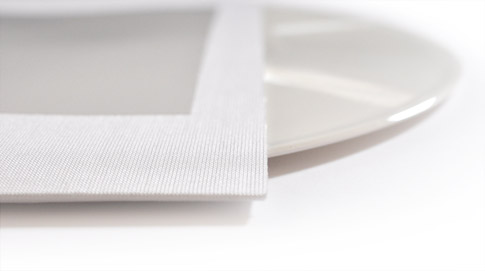 The feeling of experiencing a highly mediated work grows stronger in listening to the elegantly executed tracks contained on Hardesty’s record. I’d prior listened to the tracks as mp3s that showed up in my Dropbox folder one day, which was an even stranger encounter than perusing Mr. Hardesty’s website or having this elegant package in my hands. Before the record had even been pressed, I listened to the rising and falling of a stranger’s voice, in headphones, one Sunday morning, via raw audio tracks. Listening to the tracks and knowing a record would be on its way soon, I felt anticipation in knowing that this object would bring about a new dimension to the work. If drawings were once seen as the preparatory work, a lesser-finished product than the studio painting, then listening to Hardesty’s raw audio tracks was akin to listening to drawings, with the clean white record itself serving as a highly controlled final product.
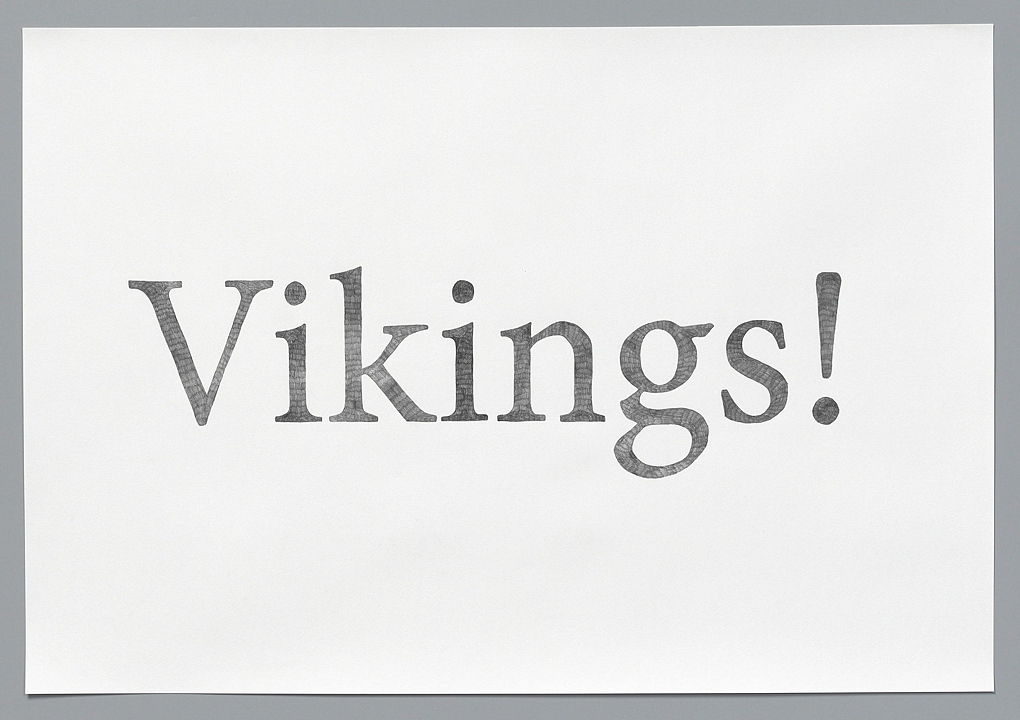
I also explored the work of Joe Hardesty as images online: hand-drawn text that appears to describe the act of creation or the process of another work in progress. His work is photographed in gallery settings or tightly cropped into drawings, mediated further by a laptop screen on which I view them. Hardesty states in his description of the Text Drawings series that he wants to make “the act of imagination… both visible and entertaining.” It is also his clear intent to mediate the acts of making and looking; and to control the experience of time and material for his audience, with precisely rendered text drawings and even more so with these audio tracks. Hardesty, most expressly with the record produced as Audio/Visual, Issue 19 of The Present Group, holds his audience captive in giving them his renderings of the created world around him. In each audio track, he is seemingly describing a work of art in front of him, but he denies visual access to his listening audience. He uses quite plain language that captures quotidian scenes such as grey cobblestone warmed by sunlight in the opening track, Finest Looking; and more bizarre and grotesque ones, such as anthropomorphic safari animals being observed by a group of obese spectators who are eating Kentucky Fried Chicken, in Lions. With a satisfying economy of language, Hardesty gives the impression that a finished work exists, and he acts as the sole agent of such works. It remains a mystery where or if a finished work exists at all, outside of his text and audio renderings.
The feeling of experiencing a highly mediated work grows stronger in listening to the elegantly executed tracks contained on Hardesty’s record. I’d prior listened to the tracks as mp3s that showed up in my Dropbox folder one day, which was an even stranger encounter than perusing Mr. Hardesty’s website or having this elegant package in my hands. Before the record had even been pressed, I listened to the rising and falling of a stranger’s voice, in headphones, one Sunday morning, via raw audio tracks. Listening to the tracks and knowing a record would be on its way soon, I felt anticipation in knowing that this object would bring about a new dimension to the work. If drawings were once seen as the preparatory work, a lesser-finished product than the studio painting, then listening to Hardesty’s raw audio tracks was akin to listening to drawings, with the clean white record itself serving as a highly controlled final product.
I also explored the work of Joe Hardesty as images online: hand-drawn text that appears to describe the act of creation or the process of another work in progress. His work is photographed in gallery settings or tightly cropped into drawings, mediated further by a laptop screen on which I view them. Hardesty states in his description of the Text Drawings series that he wants to make “the act of imagination… both visible and entertaining.” It is also his clear intent to mediate the acts of making and looking; and to control the experience of time and material for his audience, with precisely rendered text drawings and even more so with these audio tracks. Hardesty, most expressly with the record produced as Audio/Visual, Issue 19 of The Present Group, holds his audience captive in giving them his renderings of the created world around him. In each audio track, he is seemingly describing a work of art in front of him, but he denies visual access to his listening audience. He uses quite plain language that captures quotidian scenes such as grey cobblestone warmed by sunlight in the opening track, Finest Looking; and more bizarre and grotesque ones, such as anthropomorphic safari animals being observed by a group of obese spectators who are eating Kentucky Fried Chicken, in Lions. With a satisfying economy of language, Hardesty gives the impression that a finished work exists, and he acts as the sole agent of such works. It remains a mystery where or if a finished work exists at all, outside of his text and audio renderings.
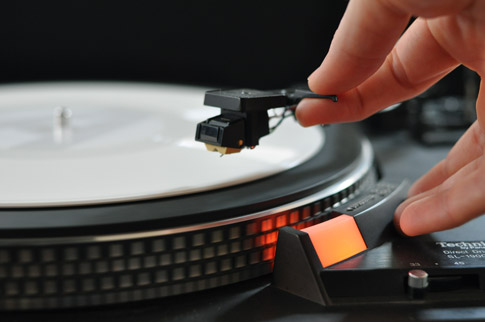
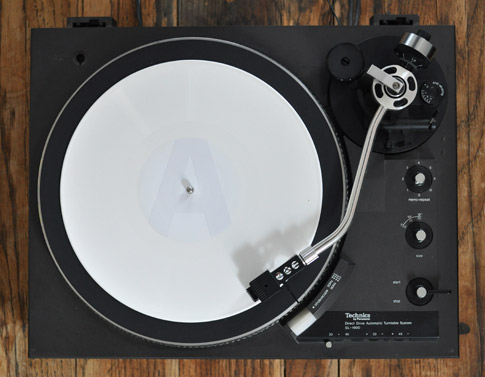 Eleanor Hanson Wise and Oliver interview Joe Hardesty about his recent issue of The Present Group, Audio/Visual
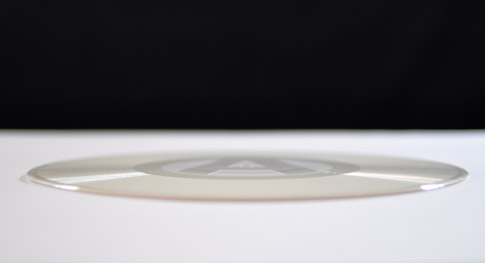 Frosted horse breath in the misty Belgian countryside, the morbidly obese enjoying KFC while taking in a centaur hunt, a lovingly rendered portrait of Jimmy Carter. These are some of the images the listener is called to imagine in The Present Group’s nineteenth issue by Joe Hardesty.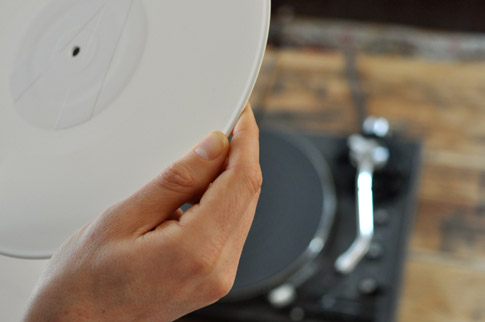
 This year we combed through our back catalog and picked out what we think are great gifts for your hard to shop for loved ones. These people don’t fit into categories most often associated with gift guides, so we thought we’d give them a little love. Hope you enjoy it.